Luxury Perfume vs Inspired Perfume: What's Really Different?
You are paying for the smell, the craftsmanship, the brand story and the bottle — or just the first one? Here is an honest breakdown of what you actually get in each category.
By myesans.com
The question comes up constantly: if an inspired fragrance smells like a luxury original, what exactly are you paying for when you buy the original? It is a completely fair question, and the honest answer is more nuanced than either side of the argument usually acknowledges.
What luxury perfumery actually costs
A full-price luxury fragrance typically costs between 120 and 400 euros for 50–100ml. That number is made up of several components, only one of which is the liquid in the bottle:
- Fragrance oil concentration and ingredients: High-quality natural ingredients — real rose absolute, oud, ambergris, natural musks — are genuinely expensive. A bottle that costs 300 euros may use 15–20 euros worth of raw fragrance oil at industrial scale. But quality naturals, especially at low volume luxury production, cost significantly more.
- Packaging: High-end fragrance packaging — crystal bottles, metal caps, luxury boxes — can cost more than the fragrance itself for ultra-premium brands.
- Brand and marketing: Heritage houses like Chanel, Dior and Tom Ford spend enormous amounts on advertising, retail presence, staff training and brand maintenance. This is built into every price.
- Retail margins: Luxury fragrance retail operates at very high margins. Department stores take 40–60% of the price.
- Research and development: The cost of developing a new fragrance — testing, iterations, focus groups, master perfumer fees — is amortised across all units sold.
The result is that the actual perfume in a luxury bottle typically represents 5–15% of its retail price, depending on the brand. The rest is everything else.
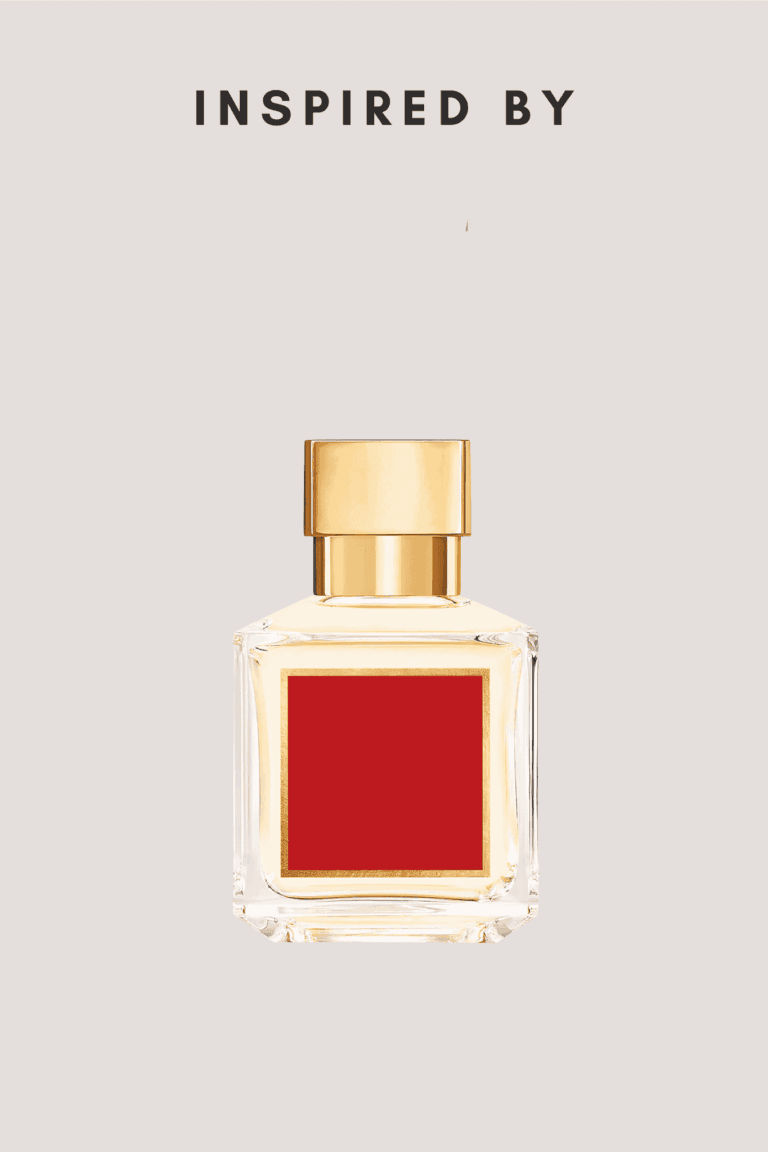
Featured fragrance
Inspired by Baccarat Rouge 540What inspired perfumery offers instead
An inspired perfume is a legal fragrance composition that shares a similar olfactory profile with a well-known original. The inspired perfumer has neither licensed the formula nor copied it — they have interpreted it, using legal fragrance ingredients, to create something that smells in the same direction.
What this means in practice:
- No brand heritage, marketing cost or luxury packaging to fund
- Direct production to consumer pricing
- Typically 10–30 euros for a quality EDP that would cost 200–400 euros for the luxury equivalent
- The same fundamental olfactory experience for daily wear
What it does not include: the original formula, the specific natural ingredients that the original may use exclusively, the provenance and brand story, and the social signal of wearing a recognisable luxury name.
Featured fragrance
Inspired by Oud WoodWhere luxury fragrance genuinely excels
There are areas where the original is legitimately different from an inspired version, and being honest about these matters:
Natural ingredient quality: The finest luxury fragrances use high concentrations of genuine naturals — Bulgarian rose, Mysore sandalwood, real oud, genuine ambergris. These have nuance, depth and a living quality that synthetics genuinely cannot replicate. The difference is real, though how much it matters depends entirely on how refined your nose is and how closely you pay attention.
Complexity over time: Some luxury fragrances change dramatically over 4–6 hours on skin, revealing unexpected facets in the dry-down. This evolution is often the result of expensive, carefully balanced naturals. The best inspired versions capture the overall shape; they do not always capture every detail of the journey.
Exclusivity and experience: Part of what you buy with a luxury fragrance is the experience of wearing something that most people cannot — the satisfaction of ownership, the quality of the bottle in your hand, the association with a house you admire. For some people, this is worth exactly as much as any olfactory difference. For others, it is worth nothing.
When to choose inspired
Inspired fragrance makes most sense when:
- You want to wear something daily and the thought of using a 300-euro bottle every day creates hesitation
- You want to explore a range of fragrances to understand your preferences before making luxury investments
- You wear fragrance for how it smells and how it makes you feel, rather than for brand recognition
- You want to build a proper fragrance wardrobe — seasonal options, evening and daytime choices — without spending thousands
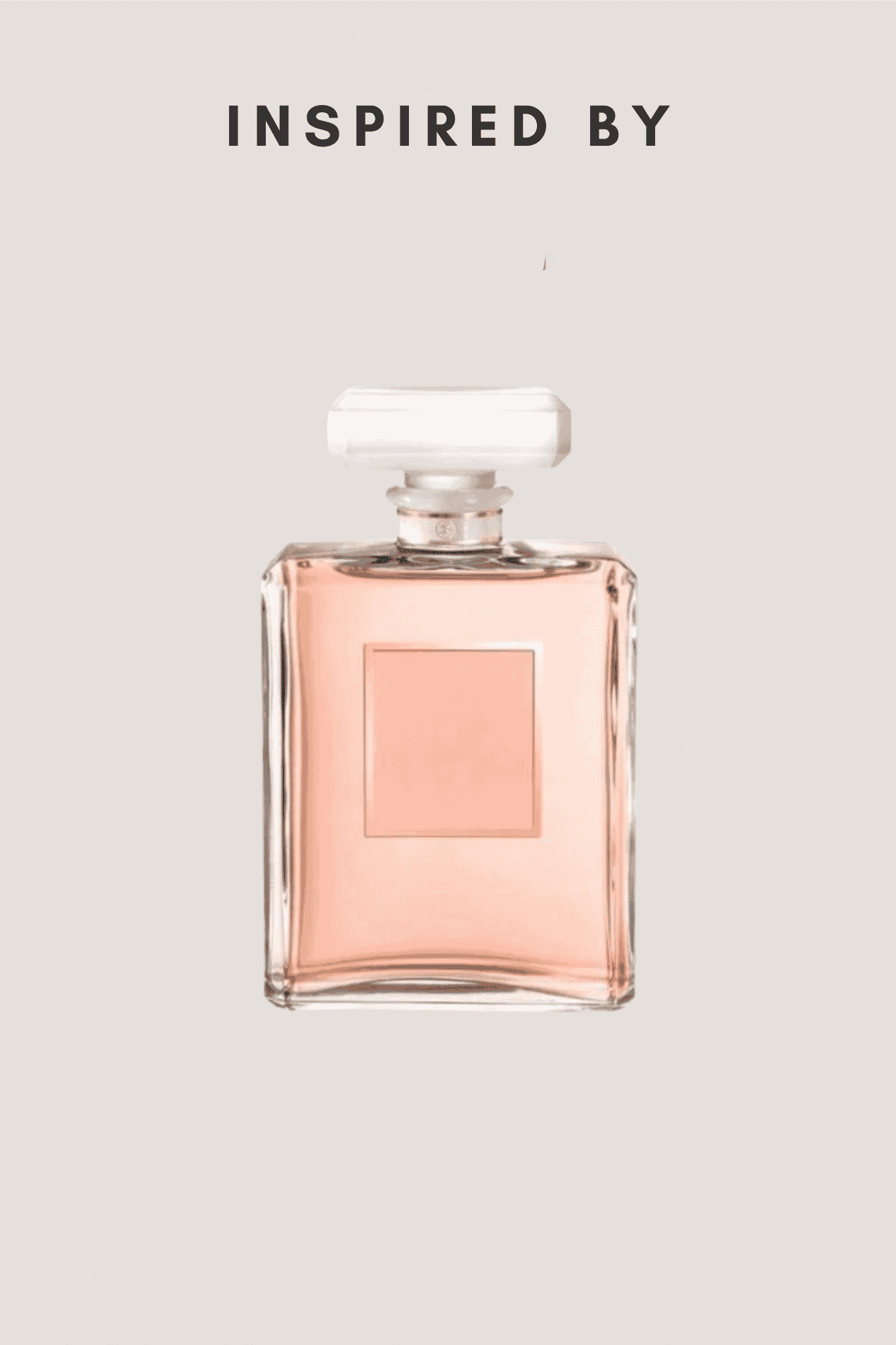
Featured fragrance
Inspired by Coco MademoiselleWhen to choose luxury
The original makes sense when:
- The brand story, heritage and craftsmanship are genuinely part of what you want to own
- You are buying a special-occasion fragrance that is specifically associated with a particular luxury house
- You can perceive the difference in natural ingredient quality and it matters to you
- The bottle, packaging and experience of ownership are part of the value
Both choices are legitimate. What matters most is that you make the choice deliberately — knowing what you are paying for and what you are getting — rather than defaulting to either extreme without thinking.
Featured fragrance
Inspired by Aventus CreedWhere to go from here
The best way to find your perfect fragrance is to sample before you commit. Browse the myesans.com catalog and explore anything that interests you. Wear it through a full day to see how it develops on your skin — the right fragrance always makes itself obvious when you give it time and context.
Read more
Guides, tips and fragrance inspiration from the myesans.com blog.